That Bin Has Been in Everything: A Listener’s Guide to Britain’s Borrowed Cartoon Clatter
Every British cartoon fan carries a tiny sound desk in their head. It has a boing for surprise, a woodblock for a tiptoe, a swannee whistle for a slide and, most importantly, a dustbin lid for absolutely everything else. Long before we could name a studio, we could recognise its noise. That is the strange inheritance of British animation: not just drawings and voices, but a shared cupboard of clangs, thwacks and comic clatter.
Here at Cartoon Me, we are not here to shame the borrowed boing. We are here to celebrate it. The stock sound effect is the wallpaper of British cartoon telly: easy to ignore, oddly comforting, and immediately recognisable once you start listening.
The Boing Heard Round the Schedule
There is a particular boing — springy, slightly metallic, a bit too eager — that has turned up in adverts, comedy sketches and animated shorts for so long that it feels less like a sound and more like a national tic. It is the audio equivalent of a shrug and a wink. You hear it when a character’s eyes pop out, when a plan collapses, or when someone sits on a whoopee cushion that has been in the family since 1974.
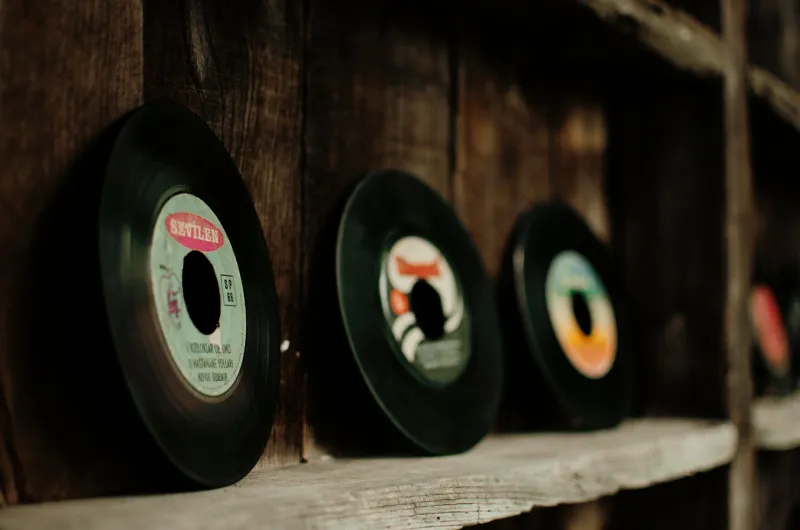
The story of British cartoon sound is often a story of libraries. Studios did not always record a fresh boing for every episode. They reached for sound effects records, tape reels and later digital libraries, the same way a prop department might reach for a fake pineapple. A small pool of noises was shared across children’s programmes, ad breaks and cult animation, which is why a clang from one show can feel strangely at home in another. It is not laziness so much as economy — and, sometimes, a house style.
The Dustbin Lid Is a Personality
The clattering dustbin is British cartoon comedy in a single crash. It suggests alleyways, chase sequences, nosy neighbours and a certain theatrical chaos. The bin is never just a bin. It is a percussion instrument with a grudge.
What makes the dustbin crash so useful is that it does two jobs at once. It tells you something physical has happened, and it tells you not to take it too seriously. A real bin falling over is a nuisance. A cartoon bin falling over is a plot point. The same crash can punctuate a slapstick routine, cover a scene transition, or add insult to injury when a character lands somewhere undignified. In a 1980s children’s show it might be diegetic. In a 1990s advert it might be the punchline. In a cult animation it might be the entire joke.
This is why the bin is such a reliable listener’s landmark. If you hear that exact clatter in three different programmes in one evening, you are not imagining it. You are hearing the family tree.
A Short History of Borrowed Noises
British animation has always had a practical relationship with sound. The BBC Radiophonic Workshop gave television some of its strangest noises, while commercial libraries such as De Wolfe and KPM supplied music and effects that could be licensed, reused and recontextualised. Smaller studios, working to tight schedules, often built a familiar palette: a swannee whistle here, a comic woodblock there, a cymbal crash for the final gag.
That palette travelled. An effects reel used for a stop-motion short could turn up in a Saturday morning programme. A cartoon advert could borrow the same comic thwack as a children’s series. The noises became a kind of shorthand. They told the audience: this is funny, this is fast, this is cartoon land. In the process, they also told us something about the people making the programmes. A studio with a small budget might lean on stock sounds. A studio with a distinctive approach might record its own foley, especially in stop-motion, where real props and real surfaces demand real clatter. Neither approach is better. They simply leave different fingerprints.
Why Your Ear Can Identify a Studio
We are not claiming that every British cartoon has a secret sonic signature as clear as a name badge. But regular listeners start to notice habits. Some productions favour tape hiss and slightly dusty recordings. Some love a specific spring. Some use silence like a comedian uses a pause. Stop-motion often sounds physically honest — the click of a tiny prop, the rustle of a set — while 2D animation can feel more like a collage of borrowed noises.
That is why remastered versions can be revealing. Clean up the audio too much and you sometimes lose the character. The crackle, the slight wobble, the sound that has been copied from a copy: these are not flaws so much as evidence. They are the audio equivalent of visible pencil lines.
The Listener’s Checklist for 2026 Rewatches
Next time you settle in for a nostalgia rewatch, treat it like a gentle safari. You are not ruining the cartoon by listening closely. You are simply joining the family.
- The Bin Double-Take: Does that dustbin crash sound familiar from a completely different programme? Note it. You are probably right.
- The Boing Test: Is the boing springy, rubbery or slightly metallic? Each one has a different career history.
- The Woodblock Tell: Tiptoeing characters are almost contractually obliged to bring a woodblock with them.
- The Swannee Swoop: A slide whistle is never just a slide whistle. It is a commentary on gravity.
- The Tape Hiss Fingerprint: If the sound feels older than the picture, you may be hearing a library effect with a longer CV than the show itself.
- The Ad Break Overlap: Watch an old advert break and a cartoon back to back. The same comic clang may turn up in both, wearing a different hat.
Don’t Clean Up the Clatter
The temptation with old telly is to tidy it. Sharpen the picture, scrub the audio, pretend the past was always pristine. But British cartoon sound is part of the charm precisely because it is a bit knocked about. The borrowed boing, the overworked bin and the slightly hissy crash are not mistakes. They are the sound of resourceful people making lively cartoons with the tools they had.
So in 2026, when you rewatch an old favourite, keep one ear on the story and one ear on the clutter. That bin has been in everything. That boing has done more shifts than a Saturday shop assistant. And somewhere in the mix, the same clatter is still doing its job: making us laugh at a falling dustbin, one borrowed crash at a time.