Steaming Mugs and Canteen Slop: What a Cartoon's Tea Says About Its Villain
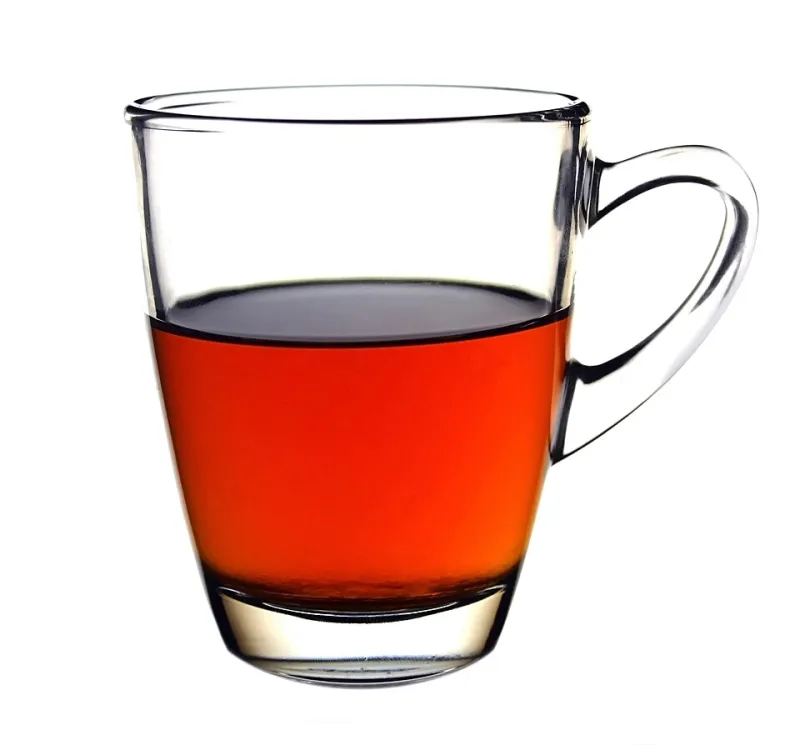
Photo: AntanO, CC BY-SA 4.0, via Wikimedia Commons
In most world animation, food is fuel, punchline or product placement. In British cartoons, food is a personality test. Hand a character a mug and you have told the audience their class, their politics, their living arrangements and whether they can be trusted with the keys to the shed.
Not bad for a prop that's usually drawn with two lines and a wobble.
The mug as moral compass
Think about how the tea is held. A character who cradles the mug in both hands is gentle, chilly and probably lives in a bungalow. A character who grips the handle with three fingers and gestures with the other hand while talking is either a manager or a war criminal, and sometimes both.
Then there's the pour. A slow, generous pour, steam curling off in a hand-drawn squiggle, is the most efficient signal of welcome in the entire medium. A kettle that never quite boils, however, is British animation's favourite shorthand for comic futility. Nothing happens in those kitchens. That's the joke, and it's also a whole worldview.
Toast: the great class signifier
Toasted white bread, cut into triangles, stacked on a rack: middle England, home counties, someone's nan is about to say something wise.
Toast eaten standing up over the sink, crusts on, no plate: a character with problems, a deadline, or a marriage to resolve by the third act.
Toast so burnt it's a black rectangle with a face drawn on: slapstick, but also a tiny tragedy. Burnt toast is the cheapest way a cartoon can say 'this morning is not going well' without a single word of dialogue, and animators have been dining out on it since the days of hand-painted cels.
And then the loaded question: is it a toasted sandwich or a toastie? Both. Fight amongst yourselves.
Chips, canteen slop and the language of institutional dread
Nothing in British animation says 'institution' louder than a metal tray. The canteen — school, factory, hospital, spaceship that inexplicably has a canteen — is where character is tested against beige.
The slop itself barely needs to be drawn. A pale blob, a wobble, one ambiguous green shape: the viewer's imagination does the rest. What matters is the reaction shot. The optimist looks at the tray and calls it 'lovely'. The cynic looks at it and asks whether it's supposed to move. The hero eats it anyway, because that's what heroes do, and because the plot needs them standing up in five minutes.
Meanwhile a bag of chips in a paper wrapper is the opposite: warmth, generosity, the seaside, being allowed to stay out until the light goes. Animated chips are almost never a meal. They're an emotion with salt on it.
Emergency biscuits and the comedy of the tin
Every cartoon household in Britain has one tin, and it is never full of biscuits. This is the closest thing our animation has to a running gag older than television itself: the tin that lies.
And when the biscuits do appear — a single custard cream, halved, on a saucer — you know we're in a crisis. Emergency biscuits mean someone has died, or someone has arrived unannounced, which in British cartoon logic amounts to roughly the same thing.
Villains do not share
Here's the analytical bit, and it holds up better than it has any right to. Heroes in British animation eat with other people. Villains eat in front of them. The baddie has the elaborate spread, the covered dish, the bottle with a hand-drawn label — and he does not offer. Sometimes he offers, and it is poisoned, which is arguably worse manners than not offering at all.
Tea functions the same way. A villain's teacup is small, delicate and never drunk from; it exists to be put down with a click after a threat. The hero's mug is chipped. That chip is a moral statement. You could write a dissertation on it. Somebody probably has, and honestly, fair play.
The highly arguable ranking of cartoon teas in UK telly history
Deep breath. These rankings are final, correct and open to reasonable objection in the comments.
- The stop-motion inventor's brew. Fussed over, over-milked, handed to a dog who has seen things. The gold standard: tea as affection, ritual and foreshadowing of catastrophe.
- The village post round flask. Tea as employment structure. The whole series runs on it.
- The fire station brew. Never actually drunk, always steaming, always interrupted by the alarm. The most thwarted tea in Britain, which is saying something.
- The friendly blue engine's cup-and-saucer gag. Comedy tea, but note the efficiency: one prop, three seconds, plot advanced.
- The aardvark-shaped detective's espresso-adjacent brew. Technically not tea. Culturally not tea. Included anyway to annoy purists.
- The pig family's plastic-looking mugs. Nostalgia with a slight plastic aftertaste; deeply confusing to adults watching over small heads.
- The womble's recyclable teacup. Eco-accountable, refreshingly sane, surprisingly low in the rankings purely because nobody's nan ever made it.
- Whatever was served at the fancy hotel. Contains no tea. Contains threat.
Put the kettle on
If you take one thing from all this, take the obvious one: in British cartooning, a drink is never just a drink. It's a handshake, a threat, a class marker and a five-second pause in a story that needed to breathe.
Which is why we still get sentimental about a battered mug drawn with two lines. Ours is chipped. We wouldn't have it any other way.