Six Minutes of Mischief: The Lost Art of the Cinema Cartoon Warm-Up
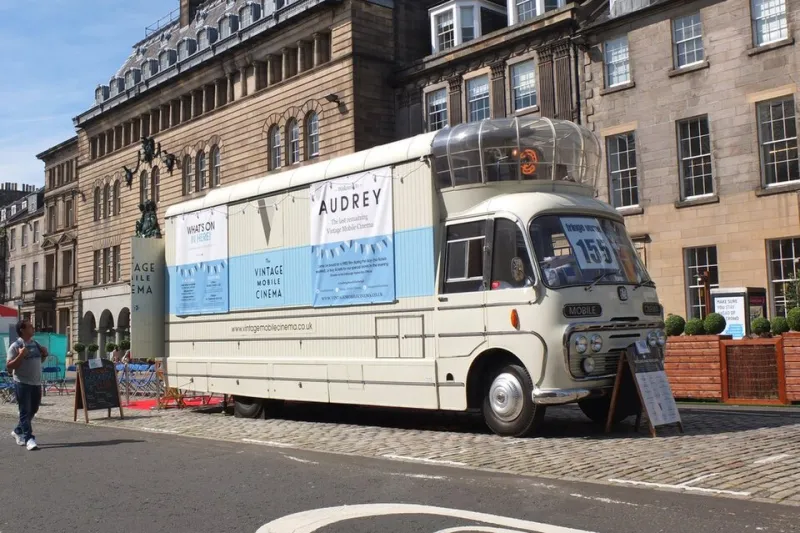
Photo: Jim Barton , CC BY-SA 2.0, via Wikimedia Commons
There is a particular kind of silence in a cinema just before the curtains open. Not the polite hush of a library, but the fidgety, sweet-wrapper crackle of a room full of people settling in for a treat. In the decades when local picture houses still ran double bills and usherettes balanced trays of choc ices like Olympic medalists, that silence was often broken by something small, drawn and extremely silly. A six-minute cartoon. Not the main event, not the trailer reel, not the Pearl & Dean ident — the warm-up. The animated appetiser. The bit that made a trip to the pictures feel like a full programme rather than a long sit.
We have rather lost the art of it. Today’s cinema visit can feel like a sprint through adverts, a brace of trailers and then straight into the film, with barely a moment to adjust your eyes to the dark. The old cartoon slot was not pure filler, though. It was a palate cleanser, a shared giggle, and — if we are being grand about it — a tiny masterclass in visual storytelling. Six minutes to remind an audience that animation could be mischievous, wordless and gloriously disposable all at once.
The Programme: A Matinee in Five Acts
Reconstructing a typical evening at the pictures from the 1960s to the 1980s is a bit like rebuilding a seaside pier from memory: everybody remembers a different bit. But the shape was often similar. You paid at the box office, bought a bag of pick ’n’ mix that seemed enormous until you reached the bottom, and shuffled into a room that smelled of cigarettes, upholstery and possibility. The curtains parted. The ads rolled. A B-picture might chunter along for an hour or so, followed by trailers, an interval, and then the main feature.
Somewhere in that sequence — often just before the big film, sometimes tucked in after the B-movie — came the cartoon. It might be a cat chasing a mouse, a duck with a temper, a man with a plank and no common sense, or a British short with a wry narrator and a point to make. The audience did not treat it as a delay. It was part of the ritual. The children were briefly quiet. The adults got a laugh before the serious business of following a plot. The usherette had a fighting chance of selling another tub of ice cream.
Not Filler, a Filter
The genius of the cinema cartoon was that it changed the mood of the room. A thriller needs a certain tension; a comedy needs a loosened collar. A six-minute short could reset the audience’s brain without asking much of it. You did not need to know the characters. You did not need to have seen last week’s episode. You just needed to watch a small drawn world misbehave.
That is a rare thing in a cinema. Feature films ask for commitment. Shorts ask for a glance — and then repay it with a gag. They also taught visual literacy by stealth. A child watching a cartoon in a packed auditorium learns that a raised eyebrow can be a punchline, that a chase can be choreographed like a dance, and that a character falling off a cliff does not really fall off a cliff. It is all line and colour and timing. Six minutes of that is worth a term of media studies.
The Shorts That Did the Heavy Lifting
The names have faded for most of us, and that is part of the charm. British cinemas drew on a mixed bag: imported American shorts with fast gags and rubbery physics, home-grown animated films from small studios and public-service outfits, and the occasional oddity that felt as if it had been made for a different century entirely. Halas & Batchelor, Bob Godfrey and their contemporaries were not household names to the average Saturday matinee crowd, but their work did the job: it filled the slot with wit, invention and a distinctly British sense of the absurd.
There were cautionary tales dressed as comedies, little fables about progress, and cartoons that looked as if they had been drawn on a tablecloth after a good lunch. Some were commissioned, some were imported, and some were probably booked because the distributor had a spare reel and a forgiving programme manager. It did not matter. The form was forgiving. A six-minute cartoon could be elegant or scruffy, silent or narrated, gentle or chaotic. It only had to be itself.
Kia-Ora Economics
The cinema cartoon also belonged to the same economy as the interval ice cream. Orange squash in a waxed cup, a tub of vanilla that tasted faintly of the freezer, a tray of treats carried down the aisle by someone who had mastered the art of not falling over in the dark. The cartoon and the Kia-Ora were partners in crime. One gave you a laugh, the other gave you a sticky hand. Together they made the middle of the programme feel like a miniature interval in its own right.
That is the bit modern cinemas underestimate. A cartoon warm-up is not just content. It is a pause with a punchline. It gives the audience permission to relax before the feature asks them to concentrate. It also gives a room full of strangers a shared reaction — a ripple of laughter that says, for a moment, we are all watching the same daft thing together.
Could It Work in 2026?
Yes, but only if cinemas treat it as a programme choice rather than another advert. A curated six-minute British animated short before selected features could be a lovely thing: archive gems from the BFI, new work from animation courses, a seasonal oddity in December, a locally made short before a locally shot film. Independent cinemas could make a feature of it. Chains could trial it on Saturday mornings. Adult animation nights could pair a short with a feature and call it what it is — a warm-up, not a hold-up.
The risk is that it becomes another pre-roll slot to skip. The charm of the old cinema cartoon was that it was not selling you anything except the next six minutes. It was a small, self-contained gift from the projection box. In 2026, with screens competing against every glowing rectangle in the house, that feels less like nostalgia and more like good programming.
So here is the modest proposal: bring back the cartoon warm-up. Not every screening. Not as a gimmick. Just now and then, before the main feature, let the curtains part on something drawn, daft and six minutes long. Let the room laugh together. Let the choc ice melt a little. The big film can wait. It always did.